

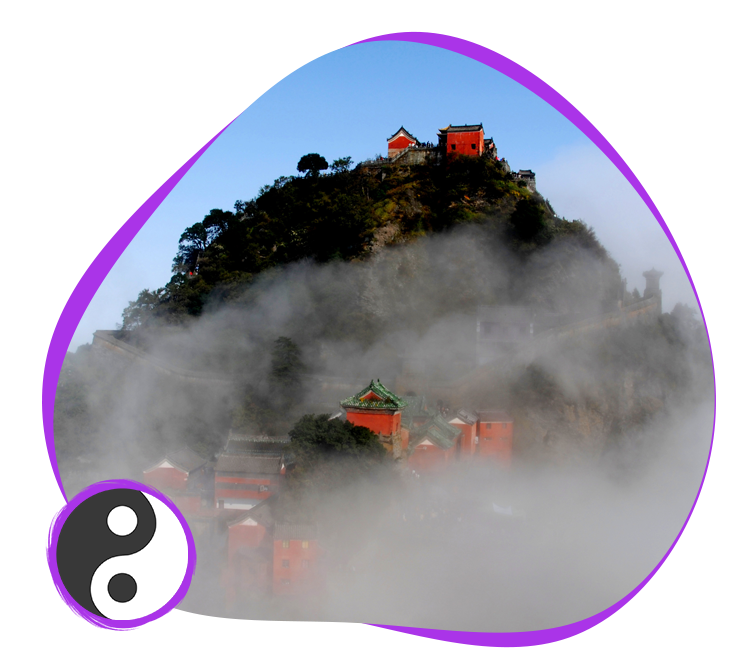

The Timeless Legacy of Wudang Tai Chi Chuan
The lineage of Wudang Tai Chi Chuan spans over 150 years, preserving the integrity of the art, from Taoist origins to its contemporary practice. Wudang Tai Chi remains a dynamic tradition, continuously adapted to meet the evolving needs of its practitioners.
The term “Wudang Tai Chi Chuan” was popularized by Cheng Tin-hung, a celebrated modern master who emphasized the martial essence of Tai Chi without adhering to any single family style. His teachings distilled the influences of the Chen, Wu, and Yang families into a practical system, blending martial applications with health cultivation and spiritual insight.
The Lineage of
Wudang Tai Chi Chuan
This lineage highlights the rich history of Wudang Tai Chi Chuan, tracing its development through generations of esteemed masters who have each shaped its evolution:
Sifu Qi Min-xuan
(Zhi Meng)
Qi Min-xuan, also known as Zhi Meng (“Sagacious Elder”), was a vital link in the transmission of Wudang Tai Chi:
Learned from his father, Qi Ke-san, and the monk Ching Yat.
Played a key role in integrating martial and spiritual aspects of Tai Chi.
Sifu Wang Lan-ting
A disciple of both Chen Keng-yun and Yang Lu-chan, Wang Lan-ting was renowned for his martial prowess and contributions to Tai Chi’s evolution. His teachings enriched the art, ensuring its transmission to future generations.
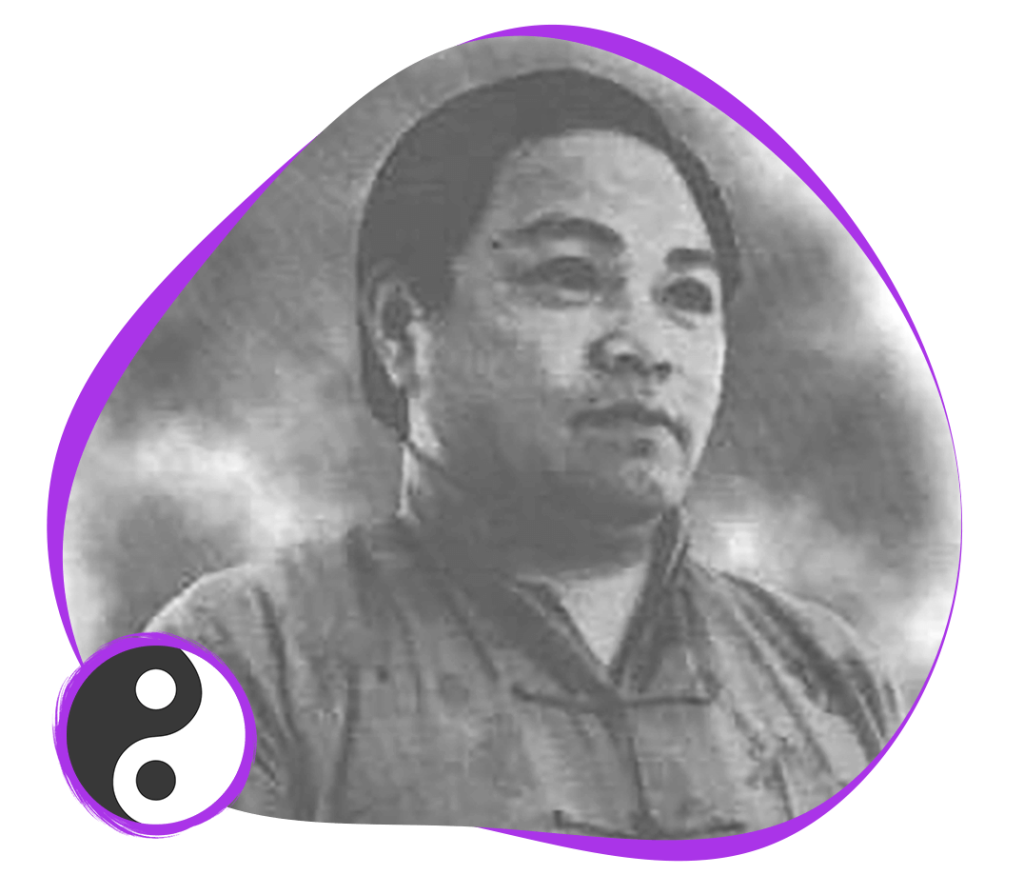
Sifu Cheng Tin-hung
(1930–2005)
Known as the “Tai Chi Bodyguard,” Cheng Tin-hung modernized Wudang Tai Chi Chuan while retaining its martial core:
Learned from his uncle, Cheng Wing-kwong, and later from Qi Min-xuan.
Pioneered full-time Tai Chi instruction in Hong Kong in the 1950s.
Trained numerous fighters and authored influential books on Tai Chi Chuan.
Cheng’s fearless approach and profound knowledge earned him international respect, leaving a lasting impact on the Tai Chi world.
Sifu Dan Docherty
(1954–2021)
A trailblazer in modern Tai Chi, Dan Docherty studied directly under Cheng Tin-hung, becoming a champion of Tai Chi’s martial and health applications:
Winner of the 5th South East Asian Chinese Pugilistic Championships (1980).
Author and educator who emphasized the practical and philosophical dimensions of Tai Chi Chuan.
Docherty’s legacy remains a cornerstone of Wudang Tai Chi’s modern practice.

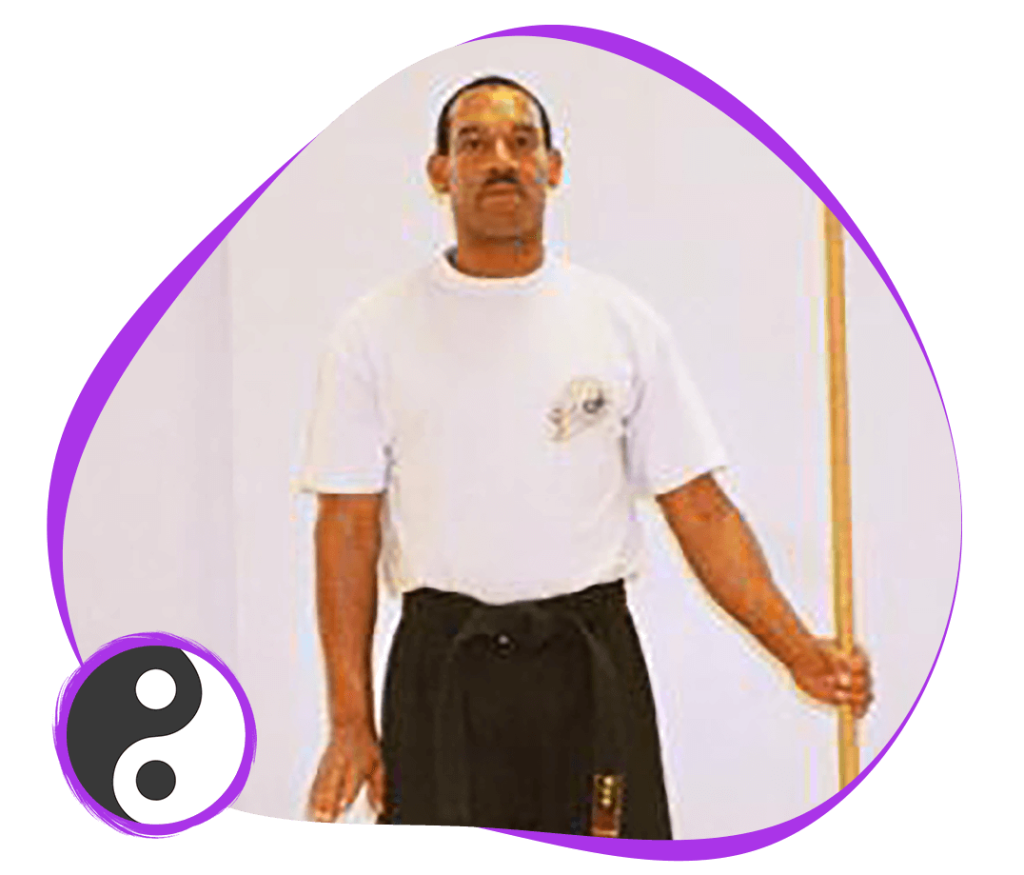
Sifu Michael Jacques
A master practitioner with over 40 years of experience, and was the first student of Sifu Dan Doherty. Sifu Michael Jacques has made significant contributions to Tai Chi:
Founder of the Zenon Wudang Tai Chi Chuan School and Tai Chi UK (1992).
British Tai Chi Champion (1992 & 1993).
Developer of a comprehensive grading syllabus for Tai Chi instruction.
Advocate for the integration of Reiki healing into Tai Chi practice.
Sifu Jacques continues to inspire practitioners worldwide through seminars, demonstrations, and competitions.
Sifu Amun Ka El
The founder of Ptah Khi School, with over 30 years of experience he expanded the practice of Wudang Tai Chi Chuan by integrating its principles with modern healing techniques and integrated philosophies from ancient kemet and other civilisations. His teachings bridge the ancient wisdom of Tai Chi with contemporary approaches to holistic well-being, offering a path to both martial excellence and spiritual growth.
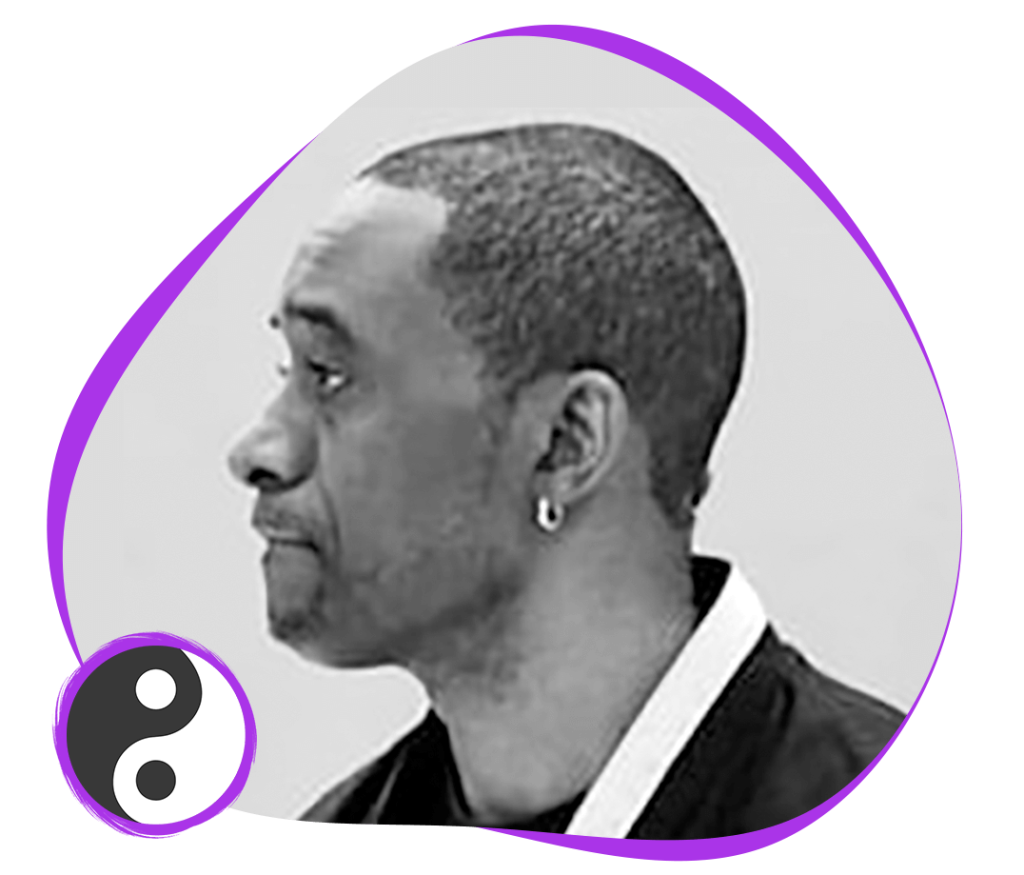

Sifu Sahu Tao Shen
As the Chief Instructor and Head Principal of the Ptah Khi School of Wudang Tai Chi Chuan Martial Arts and Holistic Health, Sifu Sahu Tao Shen preserves the essence of Wudang Tai Chi Chuan while integrating modern holistic health principles. As a dedicated student of this lineage and now an established teacher, Sifu Sahu carries the legacy forward with a commitment to fostering health, balance, and self-discovery in his students.
A Living Tradition
The lineage of Wudang Tai Chi Chuan is a testament to the art’s resilience, adaptability, and timeless wisdom. From the Daoist insights of Chang San-feng to the modern-day teachings of Sifu Sahu Tao Shen, Wudang Tai Chi has remained a path to self-cultivation, health, and spiritual understanding. The Ptah Khi is constantly evolving while preserving its deep roots in martial and spiritual practice.
Take the first step…
Associations


