


The Path of Inner Alchemy
Nei Dan (Inner Alchemy) is a profound system of internal transformation that has evolved over centuries. Rooted in Daoist philosophy, it harmonizes the Three Treasures: Jing (Essence), Chi (Vital Energy), and Shen (Spirit), to guide practitioners toward physical vitality, emotional balance, and spiritual enlightenment. Over time, Nei Dan merged with Nei Kung (Internal Skills) and Tai Chi, forming a holistic journey toward self-mastery.

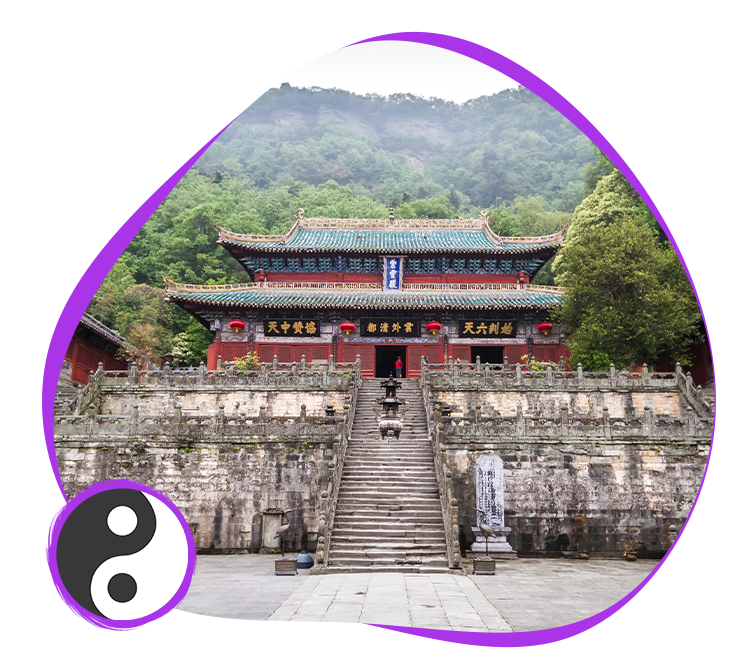
Origins of Nei Dan
The Beginnings of Internal Alchemy
The practice of Nei Dan dates back to the Warring States Period (475–221 BCE), a time when Daoist sages began exploring the mysteries of life and immortality. They discovered that by cultivating the Three Treasures, through meditation, breathwork, and energetic techniques, they could align themselves with the universal Dao, transcending physical limitations.
This foundation of inner cultivation was the cornerstone of Nei Dan, blending spiritual wisdom with practical techniques to achieve harmony between the mind, body, and spirit.
Key Nei Dan’s classical writings
Golden Age: The Tang and Song Dynasties
The Tang (618–907 CE) and Song (960–1279 CE) Dynasties were critical periods in the development of Nei Dan. Influential figures like Zhang Boduan and Wang Liping expanded Nei Dan teachings. Zhang Boduan’s work, The Secret of the Golden Flower, became a key text, emphasizing meditation and the transformation of energy. Modern masters, like Wang Liping, continue to pass down the traditions, deepening our understanding of Nei Dan’s practices.
During this era, the cultivation map was created, showcasing the energetic pathways within the human body. Preserved at Beijing’s White Cloud Temple, this map became a foundational guide for Nei Dan practitioners, illustrating the transformative process of refining Jing into Chi, and Chi into Shen—uniting the body and spirit.
The Rise of Nei Kung
Strengthening the Body and Sharpening the Mind
As Nei Dan evolved, it gave rise to Nei Kung, a practice focused on enhancing physical strength and vitality while fostering internal harmony. Nei Kung complements Nei Dan by ensuring that the body is strong and well-aligned, ready to support energetic and spiritual cultivation.
Techniques central to Nei Kung include:
Dao Yin (Guiding and Stretching)
Opening the body and facilitating the flow of energy.
Breathing Exercises
Enhancing vitality and energy regulation.
Physical Integration
Aligning the body to optimize the flow of energy throughout.
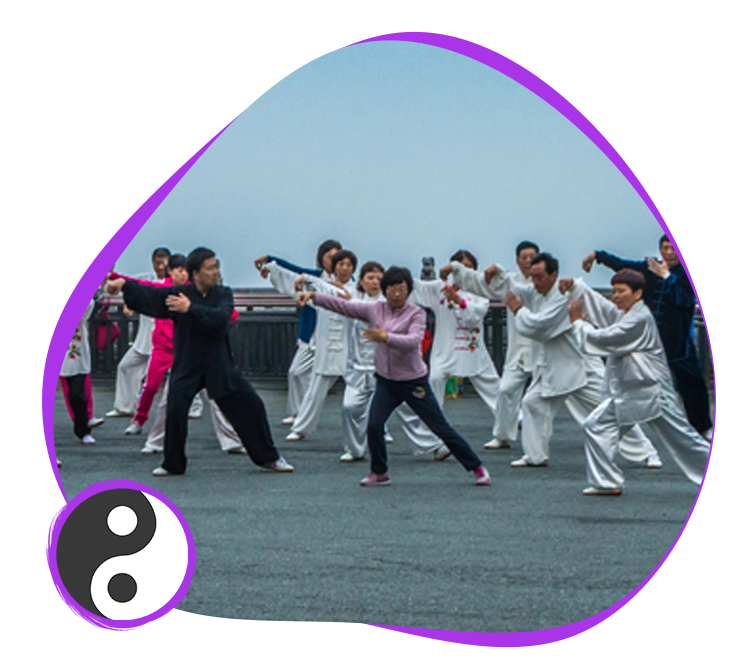
Together, Nei Dan and Nei Kung form a dynamic, interconnected practice that bridges mind, body, and spirit.
Ptah Khi Axiom
Clients & Partners



The Nei Jing Tu
A Guide to Internal Alchemy
The Nei Jing Tu, or Diagram of the Inner Realm, is a revered Daoist cultivation map that illustrates the journey of internal alchemy. Rooted in the teachings of the Huangdi Nei jing (Yellow Emperor’s Inner Canon), it serves as a vital guide to understanding the transformative processes of Nei Dan (internal alchemy).
The earliest known copies of the diagram date back to the 19th century, with an engraved stele in the White Cloud Temple Beijing dating to 1886 CE. This stele was based on an ancient silk scroll discovered in a library on Mount Song, Henan, linking the Nei Jing Tu to the rich legacy of Daoist teachings.
This intricate diagram is a blueprint to the three treasures, including: the flow of Chi (vital energy) through the body’s channels, organs, and energy centres, highlighting key stages of internal cultivation. It shows how jing, Chi, and shen is refined, harmonized, and directed to promote physical vitality, spiritual growth, and longevity. Enabling practitioners to transcend the limitations of body and mind and align with the greater cosmic order.
Nei Dan’s Integration with Tai Chi Chuan
Nei Dan’s principles naturally merged with Tai Chi over time. Though Tai Chi’s origins are attributed to legendary figures like Zhang Sanfeng (1119–1130 CE), it was the integration of Nei Dan’s internal alchemical techniques that transformed it into a holistic practice. This fusion guided Tai Chi practitioners in cultivating not only physical strength but also spiritual and energetic balance.
Today, Tai Chi continues to incorporate the key tenets of Nei Dan—Jing (Essence), Chi (Energy), and Shen (Spirit)—through mindful movement and breath, creating a practice that unites the physical, mental, and spiritual aspects of the practitioner.
This integration of Nei Dan and Tai Chi connects the body, mind, and spirit, creating a powerful pathway for both physical mastery and spiritual transformation.
Start a Nei Dan Course Today
Associations


