


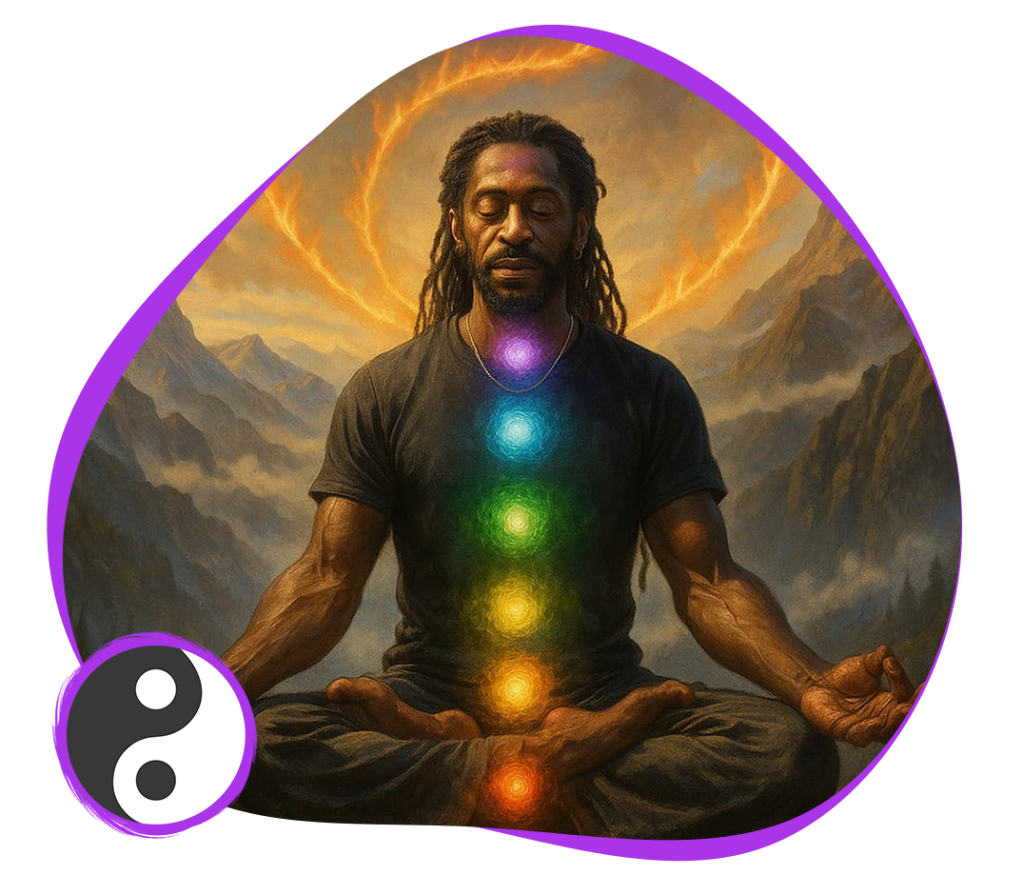
Chi Kung (气功), also known as Qigong, is an ancient Chinese practice that integrates movement, breathing, and meditation to cultivate and regulate Chi (vital energy). Rooted in Daoism, it has evolved over millennia as a system for health, longevity, and spiritual development.
Early Foundations
Taoism and the Zhou Dynasty (3000 BCE – 206 BCE)
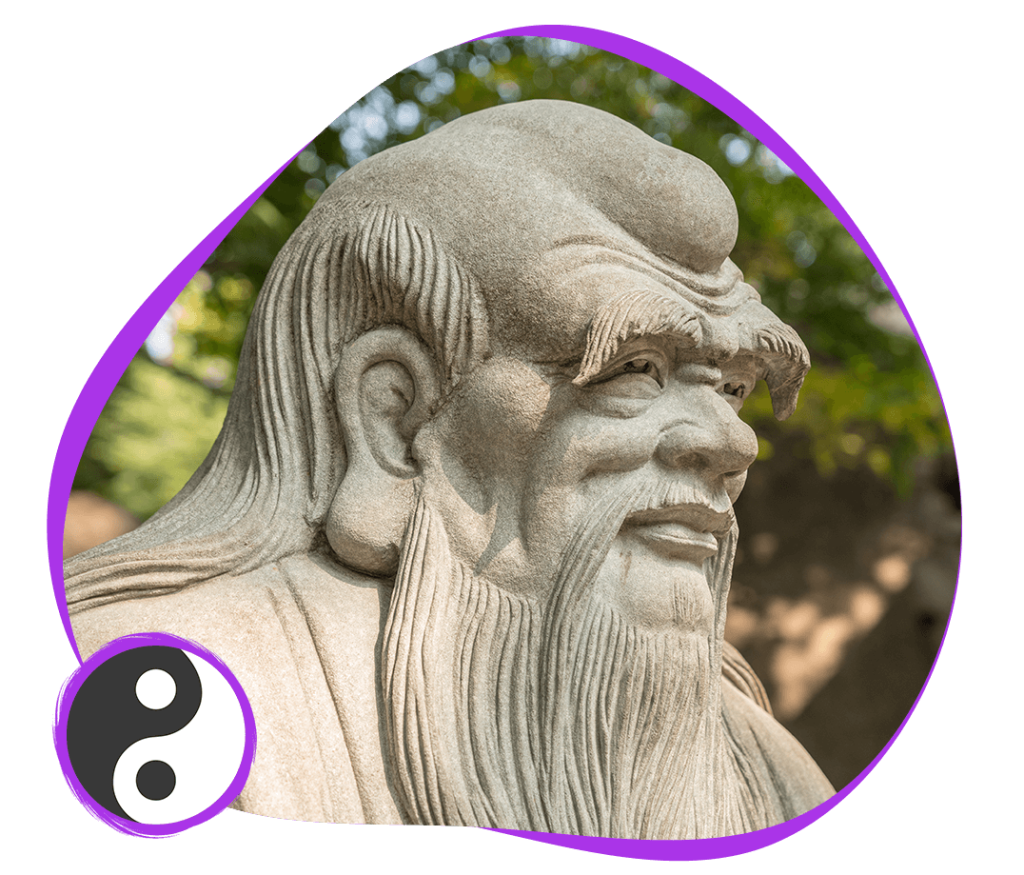
The roots of Chi Kung trace back to Taoism during the Zhou Dynasty, where early Taoist texts, such as the Dao De Jing by Laozi, explored the concept of Chi. Daoist monks used meditation and breathing techniques to cultivate Chi for health and spiritual growth.
Han Dynasty
(206 BCE – 220 CE): Integration with Traditional Medicine
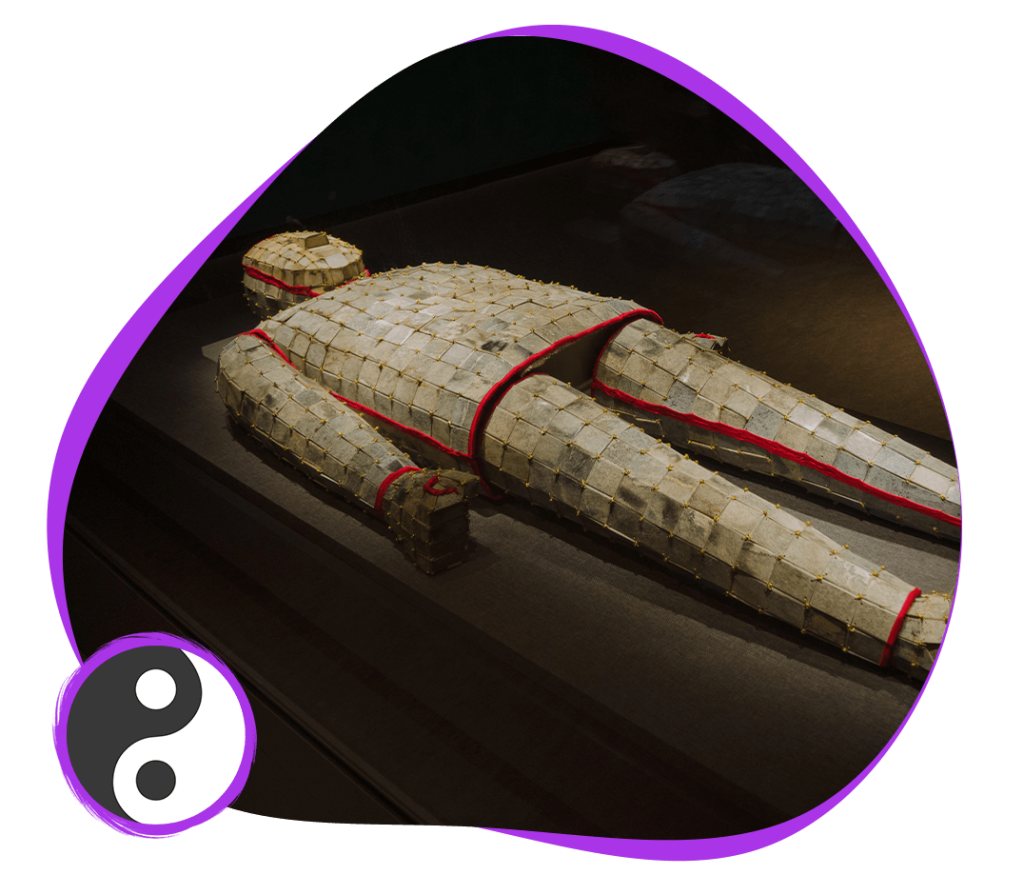
During the Han Dynasty, Chi Kung became formalized and integrated with Traditional Chinese Medicine (TCM), with techniques used to regulate Chi for healing and vitality. Qigong practices expanded to address physical health and emotional balance.
Tang and Song Dynasties
(618–1279 CE): Martial Arts Development
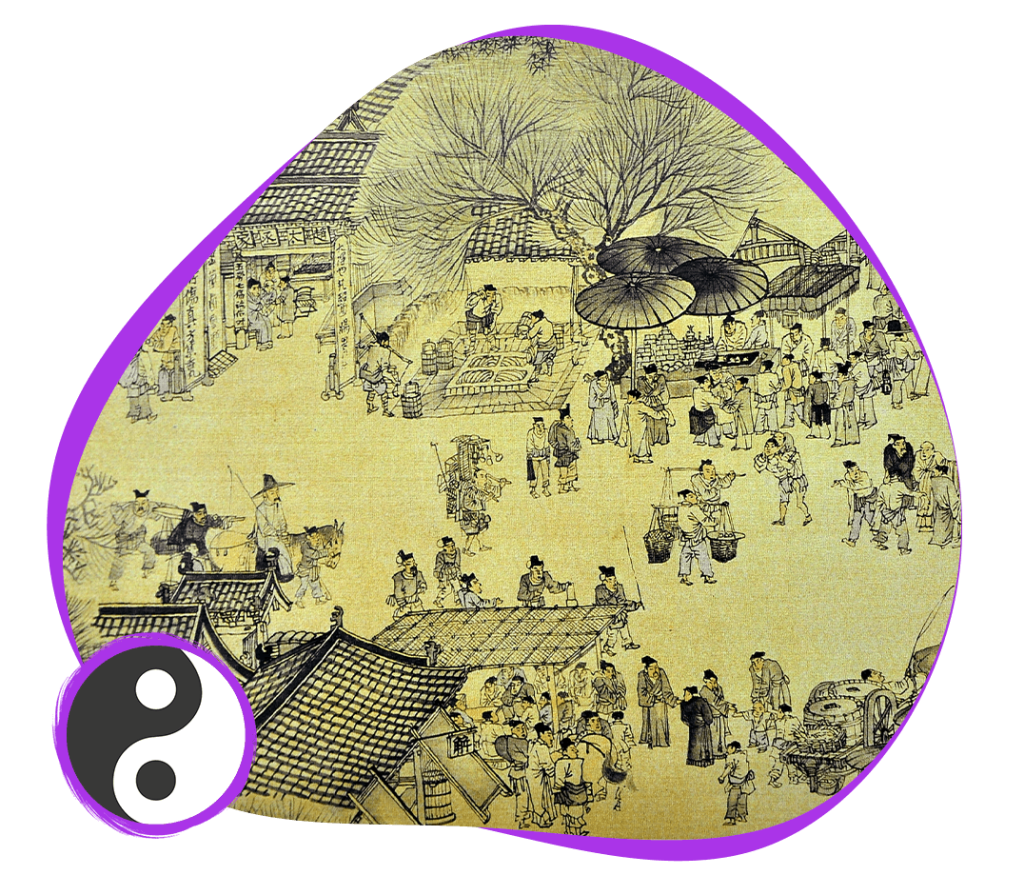
By the Tang Dynasty, Chi Kung was closely linked to martial arts, as techniques were developed to enhance strength, stamina, and spiritual focus in combat. This integration continued during the Song Dynasty, where martial artists used Chi Kung to refine their internal energy and skills.
Ming and Qing Dynasties
(1368–1912 CE): Codification and Popularization
During the Ming Dynasty, Chi Kung became more widespread, with manuals and texts being published to guide practitioners. The Qing Dynasty saw an increase in interest in Chi Kung as a means of achieving physical and mental health.
20th Century
Revival and Modernization (1912–1949)
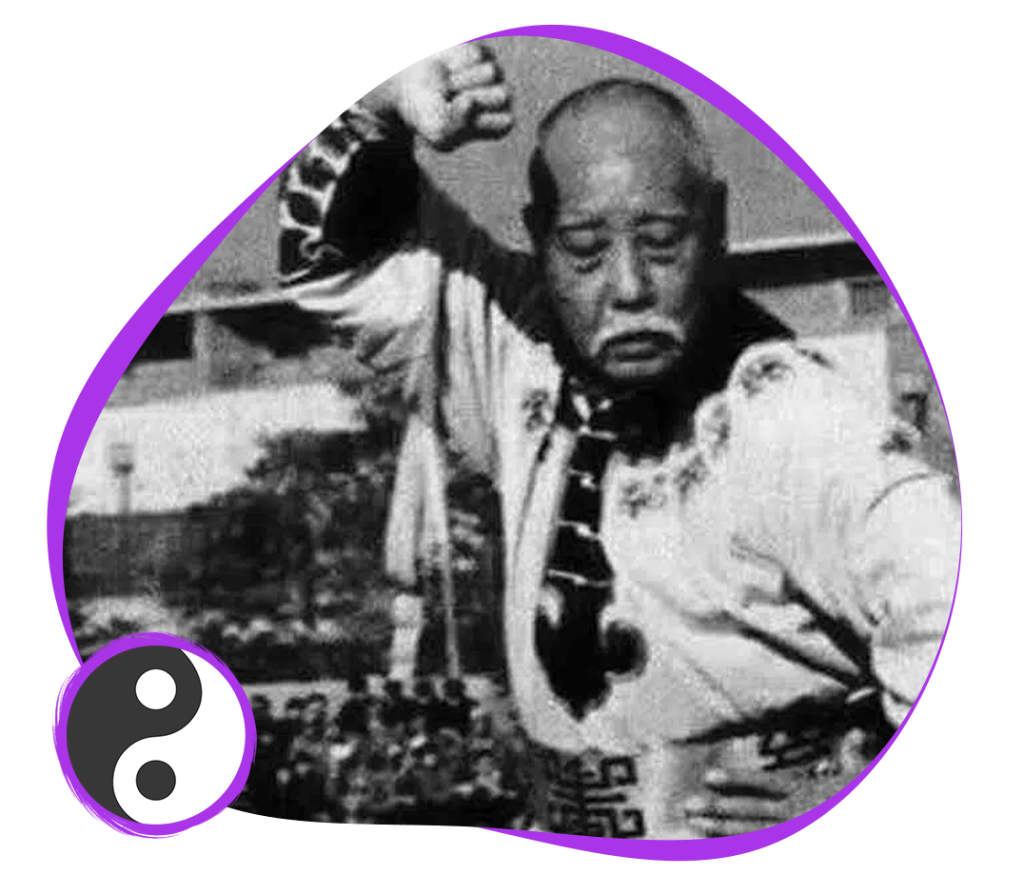
In the early 20th century, following the fall of the Qing Dynasty, Chi Kung practices faced challenges but were revived in the Republic of China. Masters such as Dr. Lui, Yang Chengfu and Chen Fake modernized practices for health and wellness, rather than solely martial arts.
Post-Revolutionary China
National Health Initiatives (1949–1970s)
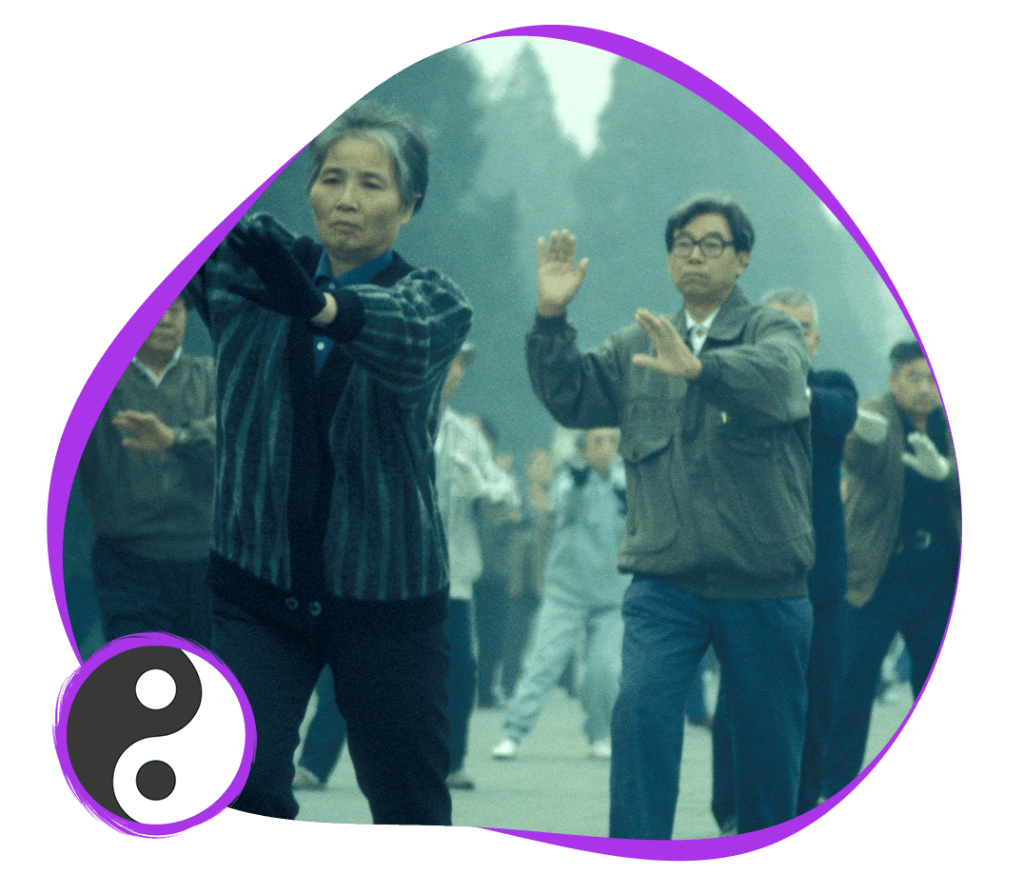
Under the People’s Republic of China, Chi Kung experienced a resurgence, with the government promoting it for health and wellness programs, though it was suppressed during the Cultural Revolution.
Global Expansion
(1980s–Present)
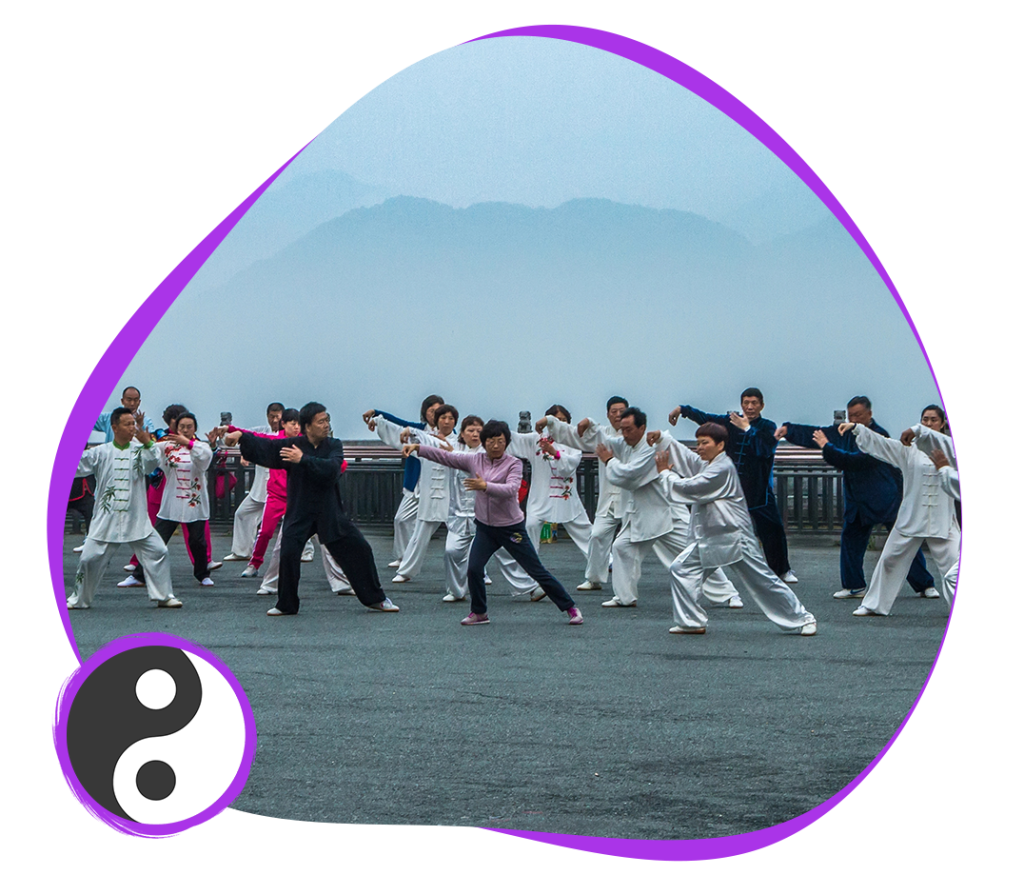
Today, Chi Kung continues to evolve, combining ancient wisdom with modern scientific research. It is practiced worldwide for its benefits in physical health, emotional well-being, and spiritual balance, with research showing its positive effects on the cardiovascular system, immune function, and emotional regulation.
Connecting the Roots of Chi Kung
Dr. Lui, a renowned Chinese physician and scholar, is credited with coining the term “Chi Kung” (气功) in the 1950s. His pivotal work in merging Chi Kung with traditional Chinese medicine helped shape the modern practice. Dr. Lui’s systematic approach and dedication to health cultivation laid the foundation for Chi Kung as a practice for vitality, longevity, and well-being. His influence remains central to the global spread and practice of Chi Kung.
Dr. Lui Yafei, daughter of Dr. Lui, has been instrumental in continuing her father’s legacy. In 2003, Sifu Sahu Tao Shen had the honour of training directly under Dr. Lui Yafei in a transformative two-week course, where they explored methods for strengthening muscles, regulating Chi, and prolonging life. Through this experience, Sifu Sahu gained deeper insights into Chi Kung and its applications, advancing his journey in the practice. Dr. Lui guidance has helped him further the integration of Chi Kung with modern wellness practices.
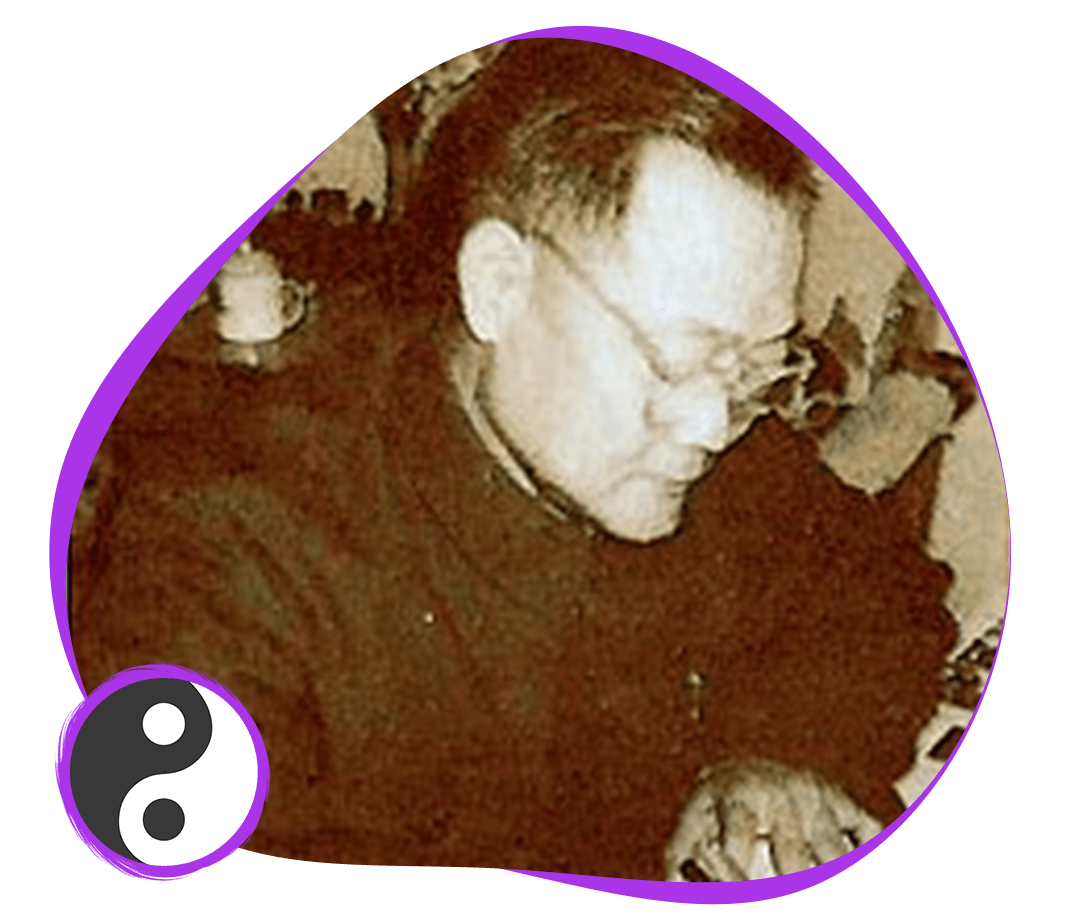
Sifu Sahu, expanded his training in Chi Kung after meeting Lui Yafei in 2003. His course included other esteemed masters from China, brought over through government efforts with the assistance of interpreters. This course, which continued Dr. Lui’s work of promoting Chi Kung for health and longevity, was a significant turning point in Sahu’s path. The experience deepened his understanding of Chi Kung, and led him to incorporate traditional Taoist wisdom with modern holistic health principles in his teachings at Ptah Khi. Sahu now dedicates his life to sharing the practice of Chi Kung, focusing on its martial, health, and spiritual benefits, and continues the legacy of his teachers.
Take the first step…
Associations


