


Awakening the Hidden Currents of the Inner Cosmos
Nei Kung (Nei Gong), often rendered as “internal skill” or “inner work,” forms a cornerstone of Tai Chi Chuan and the internal arts, guiding the practitioner beyond mere health cultivation or martial capability toward profound physiological transformation, energetic equilibrium, and spiritual realisation. Nei Kung represents the next stage beyond Chi Kung and serves as the gateway to Nei Dan (internal alchemy).
Read More
Nei Kung is the disciplined art of cultivating, refining, and harmonising the Three Treasures, Chi, Jing, and Shen, through precise methods of movement, breath, and stillness. These practices have the route in Daoist, Buddhist, and martial lineages.
Unlike outwardly focused disciplines that prioritise muscular strength or visible form, Nei Kung moves within the subtle and unseen. It begins with structural alignment, bringing the body into optimal posture that supports energy flow, and deepens through structural integration, where body, breath, and intention unify as one. Central to this process is the cultivation of Peng, an expansive internal energy that manifests as buoyant, resilient power. Through these stages, Nei Kung awakens the spinal engine, activates the microcosmic orbit and cerebrospinal fluid system, and nourishes the endocrine and nervous systems through breath, intention, awakening internal heat and heightened awareness.
It is at once a science and an art, the alchemical study of the inner universe, where the practitioner becomes both crucible and flame, both vessel and spirit. At its essence, Nei Kung is a return from the search for power in the outer world to the quiet recognition of its inexhaustible source within.
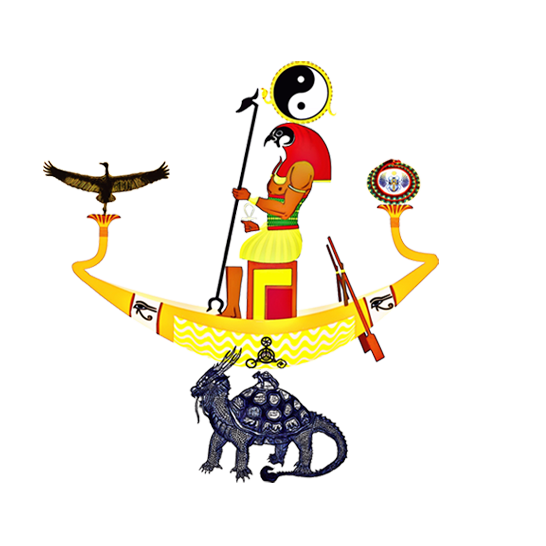

The Historical Journey of Nei Kung
Early Foundations
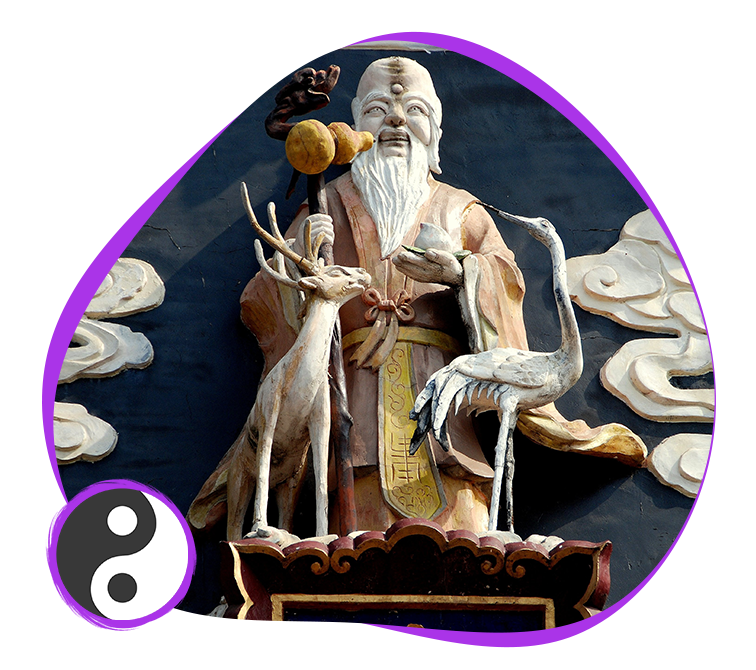
Taoist Beginnings and the Zhou Dynasty (3000 BCE – 206 BCE)
The origins of Nei Kung lie deep within early Daoist thought during the Zhou Dynasty. Foundational texts like the Dao De Jing introduced the concept of internal energy, or Chi, as a vital force connecting body and cosmos. Early Daoist practitioners cultivated this energy through meditation, breathwork, and mindful stillness to promote health and spiritual awakening.
Han Dynasty
(206 BCE – 220 CE): Medical Systematisation and Philosophical Integration
During the Han Dynasty, Nei Kung began to take shape as a formalised discipline integrated with traditional Chinese medicine. Texts such as the Huangdi Nei Jing articulated the flow of Chi through meridians, and breath techniques became central tools for healing and maintaining vitality. This period saw Nei Kung’s rise as both a therapeutic and spiritual practice.
Tang and Song Dynasties
(618–1279 CE): The Rise of Internal Martial Arts
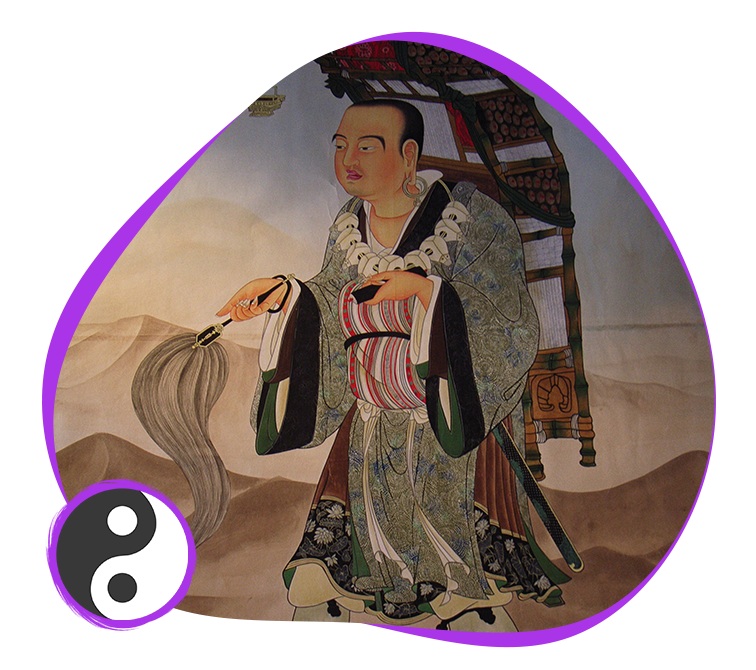
In the Tang and Song dynasties, Nei Kung’s internal energy work became increasingly linked with martial disciplines. Early forms of internal martial arts, most notably the precursors to Tai Chi Chuan, harnessed Nei Kung techniques to develop strength, endurance, and focused awareness in combat. This synthesis enriched both martial and meditative traditions, expanding Nei Kung’s practical applications.
Ming and Qing Dynasties
(1368 – 1912 CE): Codification and Popular Transmission
The Ming and Qing eras marked Nei Kung’s wider dissemination through printed manuals and teacher lineages. During this time, complete systems of internal martial arts such as Tai Chi Chuan, Xing Yi Quan, and Bagua Zhang flourished, integrating Nei Kung principles into their training. Practices became more systematised and accessible, emphasising health preservation, longevity, and spiritual cultivation. Nei Kung’s role expanded beyond elite circles, reaching broader populations seeking balance amid social change.
Modern Era
(20th Century to Present): Revival, Innovation, and Global Spread
Despite political upheavals in early 20th-century China, Nei Kung survived and adapted through master teachers who modernized its methods for health and wellness. Following government support and global interest from the late 20th century onward, Nei Kung has integrated with scientific research on breath, fascia, myofascial system, spinal engine, and the nervous system. Today, it thrives worldwide as a holistic practice fostering physical vitality, emotional balance, and spiritual insight.
The Evolution of Nei Kung
Over time, Nei Kung developed into three interconnected paths, each distinct yet united in purpose:
The Path of Health and Longevity
This path nurtures vitality by balancing the organs, harmonizing emotional and energetic flow, and aligning the body with natural rhythms. It gave rise to restorative arts like Chi Kung and Tai Chi, promoting emotional resilience, immune strength, and graceful aging.
The Path of Internal Alchemy and Spirit
Focused on transforming Jing (essence) into Chi (energy) and then into Shen (spirit), this path uses breath, stillness, and inner focus. Practitioners enter Wu Ji (emptiness) to harmonise deeply with the Dao, cultivating spiritual awakening.
The Path of Martial Integration
Nei Kung powers the internal martial arts, blending softness with strength and structure with spontaneity. Movements express Nei Jin, the refined internal force where stillness energises motion and intent guides technique.
Mind-Emotions-Body balance for overall wellness
Nei Kung is a unified discipline in which each path, health, internal alchemy, and martial integration, supports the others, allowing practitioners to tailor their training to health, spiritual, or martial objectives.
The Historical Development of Nei Jin
(Inner Force)
Nei Kung, the art of internal cultivation, preceded and laid the foundation for Nei Jin, the refined internal power developed within the internal martial arts. Nei Jin bridges the gap between healing arts and martial mastery.
Over centuries, practitioners refined Nei Kung techniques and began to cultivate a concentrated internal force. Nei Jin became especially significant during the Tang and Song Dynasties (618–1279 CE), when it was integrated into Tai Chi Chuan. Its martial development continued through later periods, notably influencing styles such as Xing Yi and Bagua from the Ming dynasty onward.
While Nei Kung remained a holistic internal practice balancing health, spirit, and vitality, Nei Jin emerged as its martial expression: the ability to generate powerful, efficient, and relaxed force from within.
Nei Kung at the Ptah Khi School
In our modern age of noise and distraction, Nei Kung offers a return to the essential. At the Ptah Khi School, Nei Kung is taught as a multidimensional practice that guides you to:
Reclaim your vitality and unlock the body’s natural healing capacity.
Align the spinal engine and awaken natural movement efficiency.
Balance the autonomic nervous system, shifting the body from stress to restoration.
Enter meditation effortlessly by aligning breath, structure, and intention.
Release emotional turbulence, stored tension, and trauma from the nervous system.
Stimulate the endocannabinoid system, fostering natural states of calm and joy.
Harmonise the vagus nerve, unlocking emotional resilience and deep relaxation.
Reconnect with your true self, beyond the demands of the external world.
Our approach honours the Inner Smile, a subtle attitude of kindness toward oneself, and embraces each practice not as a rigid form, but as a gateway to No-Mind: the state beyond striving, beyond identity, beyond separation.
Associations


Join Us Today
Nei Kung invites you to turn inward and reconnect with the essential flow of life. It calls you to return to the breath as your first teacher, to recognise the life force moving through all things, and to experience the unity of body, mind, and spirit in the present moment.
By practicing Nei Kung, you remember that you are not separate from the universe, you are the universe expressing itself through this body, this breath, this moment.
Step into this living tradition. Immerse yourself in the flow of Nei Kung. Awaken the silent wisdom that has always been within you.
Ready to begin?
Take the first step now, your path to balance, strength, and insight awaits.

Clients & Partners


Frequently Asked Questions (FAQ)
Nei Kung, often translated as “internal skill” or “inner work,” is the disciplined art of cultivating and harmonising the Three Treasures, Chi (energy), Jing (essence), and Shen (spirit), through precise methods of movement, breath, and stillness.
Nei Jin means “internal force”, the refined, powerful energy that arises from advanced internal training. It is the martial expression of the skills developed in Nei Kung.
Peng is an expansive internal energy developed through Nei Kung. It creates a buoyant, resilient power that feels both strong and relaxed, and is key to both martial and healing applications.
Chi Kung focuses on cultivating and circulating energy for health and vitality, while Nei Kung takes the practice deeper, refining energy, aligning the body and mind, and preparing for Nei Dan (internal alchemy).
Benefits include improved posture and movement efficiency, balanced emotional states, a calmer nervous system, strengthened internal energy, and spiritual clarity. It also supports systems like the endocrine, nervous, and endocannabinoid systems.
Yes, Nei Kung can serve as the foundation for internal martial arts such as Tai Chi, Xing Yi, and Bagua, providing the structural alignment, energy cultivation, and mental focus these arts require. However, it can also be practised solely for health, longevity, and spiritual development, without any martial application.
- The Path of Health and Longevity – for vitality, organ balance, and graceful ageing.
- The Path of Internal Alchemy and Spirit – for transforming Jing into Chi and Shen, leading to spiritual awakening.
- The Path of Martial Integration – for developing refined internal power (Nei Jin) in martial arts.
It is both. Nei Kung unites body, breath, and intention. While the movements may be gentle, the internal work requires mental focus and awareness.
Its origins trace back over 2,000 years to early Daoist practices in the Zhou Dynasty, evolving through China’s dynastic history, martial arts traditions, and modern scientific integration.
During the Tang and Song dynasties (618–1279 CE), Nei Jin was integrated into Tai Chi and later influenced styles like Xing Yi and Bagua.
The Inner Smile is a subtle attitude of kindness toward oneself that helps the body relax, the mind settle, and energy flow more freely.
No. Beginners can start with basic postural alignment, breathing exercises, and gentle energy awareness, then progress to more advanced techniques over time.