

Kicking is a dynamic, full-body movement influenced by various factors, including the task, the environment, and the individual’s unique physical abilities. Central to kicking proficiency is balance, especially in the supporting leg, which stabilises and anchors the body. Proper alignment of the feet, core, and upper body is vital for maintaining balance and delivering an effective kick.
In our classes, all kicking drills are performed in controlled, circular motions to minimise strain and prevent injury.
Each technique is meticulously broken down into stages:
Starting with posture and positioning
Then chambering of the leg
Finally, the release phase
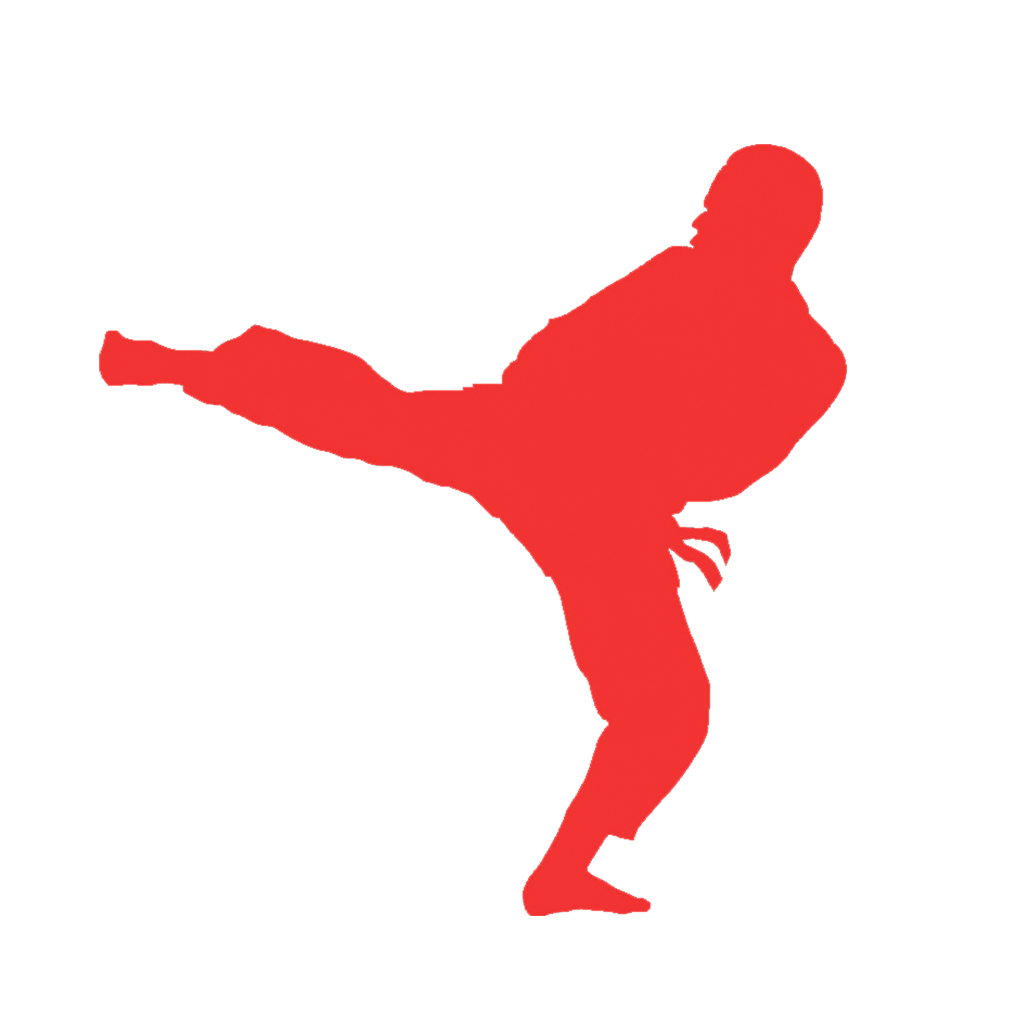

This allows the students to refine their precision, strength, and power step by step.
The Biomechanics of Kicking
A successful kick is far more than just a lower-body action; it requires seamless coordination of strength, balance, and timing across the entire body.
Foot and Ankle
The tarsals, metatarsals, and phalanges provide stability and a strong connection to the ground. The ankle joint, formed by the tibia and tarsals, must remain flexed and rigid to preserve balance and transmit power effectively through the kick.
Knee and Thigh
The knee joint, where the tibia and femur meet, extends as the powerful thigh muscles contract, driving the movement forward with speed and precision.
Hip Joint
The hip is the powerhouse of the kick. Its ball-and-socket design allows exceptional mobility, enabling a full 360-degree circumduction and up to 90 degrees of axial rotation. This flexibility accommodates kicks at various heights and angles while also absorbing and withstanding forces far greater than the body’s weight. The hip joint’s structure not only provides range but also ensures stability during the explosive movements of a kick.
Balance and Stability
Achieving balance in the supporting leg is crucial for generating power and maintaining control during a kick. The calf muscles (gastrocnemius and soleus) engage to stabilise the ankle through plantar flexion, while the tibialis anterior (along the shin) contracts isometrically to hold the ankle steady. This intricate balance of muscle tension provides a strong foundation for the kicking leg to execute fluid, precise movements without compromising stability.
The square form is like writing in block letters, clear, deliberate, and foundational.
Power and Precision
The power of a kick is rooted in the hip flexors and quadriceps, which work in harmony to lift and drive the leg with explosive force. Hip flexors play a pivotal role in creating speed and momentum, while the quads extend the knee for maximum impact. The stronger these muscles, the faster and more forcefully the leg can move, generating circular momentum essential for striking with accuracy and power.
Through consistent training, you’ll develop the strength, flexibility, and coordination required to enhance your kicking ability. Whether striking a shield or practicing forms, every kick is an opportunity to improve your precision, balance, and strength.

Refine your technique. Harness your power. Master the art of kicking.
Why Train Kicking With Us
In our classes, we prioritise:
Biomechanical efficiency
Proper alignment
Slow deliberate movement
Leg Conditioning
Injury prevention
By focusing on the science behind each movement, you’ll learn how to maximise your body’s potential while building confidence in your skills. Whether you’re training for martial arts, fitness, or personal growth, the art of kicking will elevate your physical capabilities, deepen your understanding of body mechanics, and empower you to perform at your best.
Strengthen your legs today,
so you’re ready for tomorrow?
