

Enhancing Recovery and Wellness at Home
Self-massage is a powerful and accessible way to boost your well-being, take control of your body’s health, and support a holistic recovery process. By using tools like foam rollers, massage balls, spiky balls, and medicine balls, you can target muscle tension, improve circulation, and support faster recovery. Whether you’re addressing soreness after a workout, managing chronic pain, or simply seeking relaxation, self-massage can make a noticeable difference in your routine.
Incorporating self-massage into your holistic care routine empowers you to release muscle tension, enhance mobility, manage stress, and improve your mental clarity.
Self-Massage Tools
Let’s explore the most commonly used self-massage tools, how they benefit your body, and how to use them effectively.
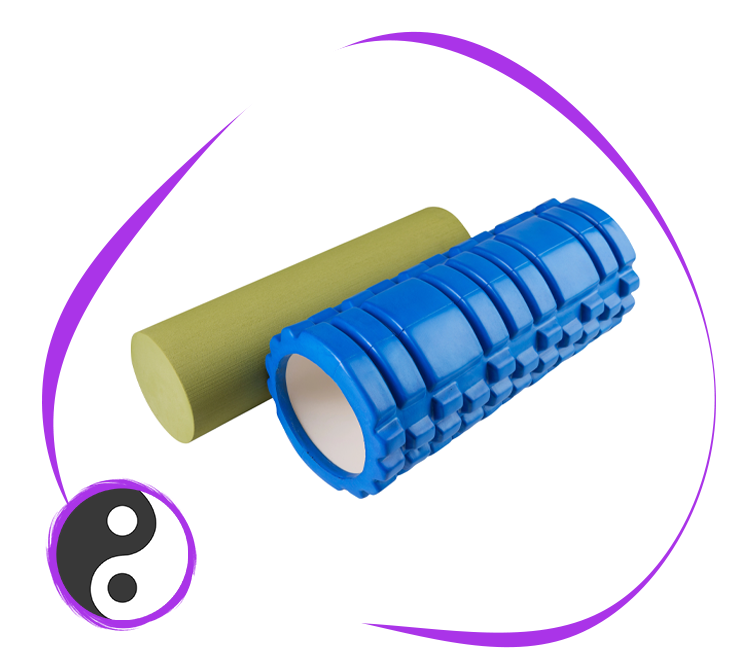
Foam Rollers
Unlocking Tension and Improving Mobility
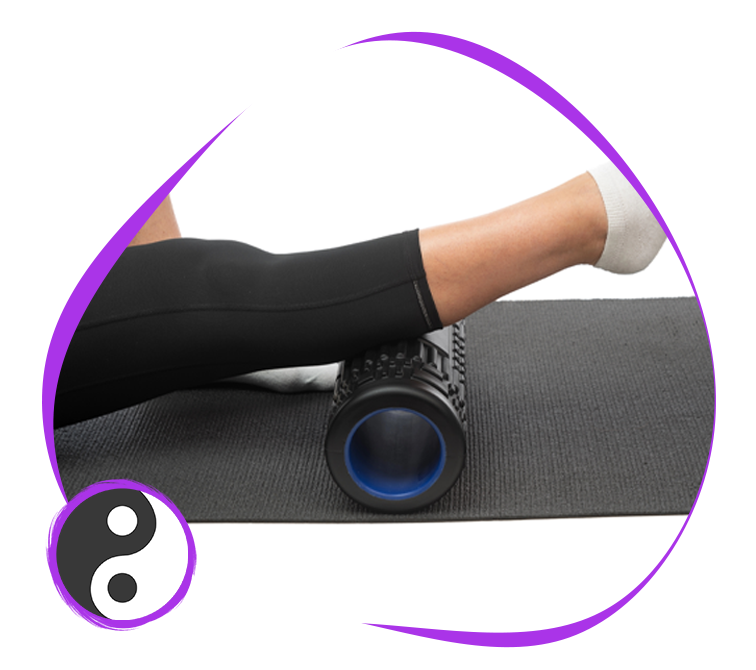
Foam rollers are ideal for large muscle groups and deep myofascial release. Foam rolling helps break down adhesions and promote circulation, enhancing flexibility and range of motion.
Benefits:
Releases tension in large muscle groups like the quads, hamstrings, and back.
Improves mobility and flexibility.
Enhances blood flow, speeding up recovery and reducing stiffness.
Relieves soreness post-workout.
How to Use:
Gently roll the foam roller across the muscle group, pausing on tight spots for 20-30 seconds. Focus on your breath and avoid applying excessive pressure on sensitive areas. Start with light pressure and gradually increase intensity as your body adapts.
Massage Balls
Targeted Relief for Specific Areas
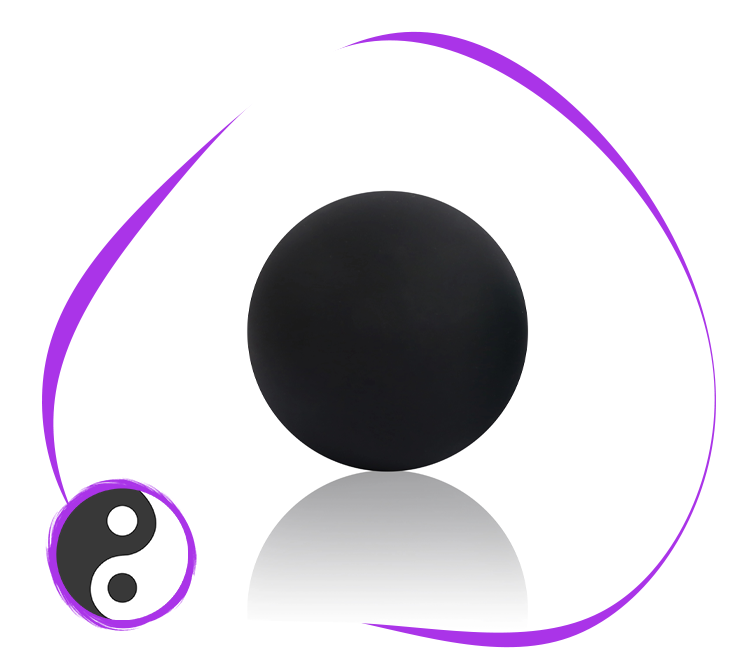
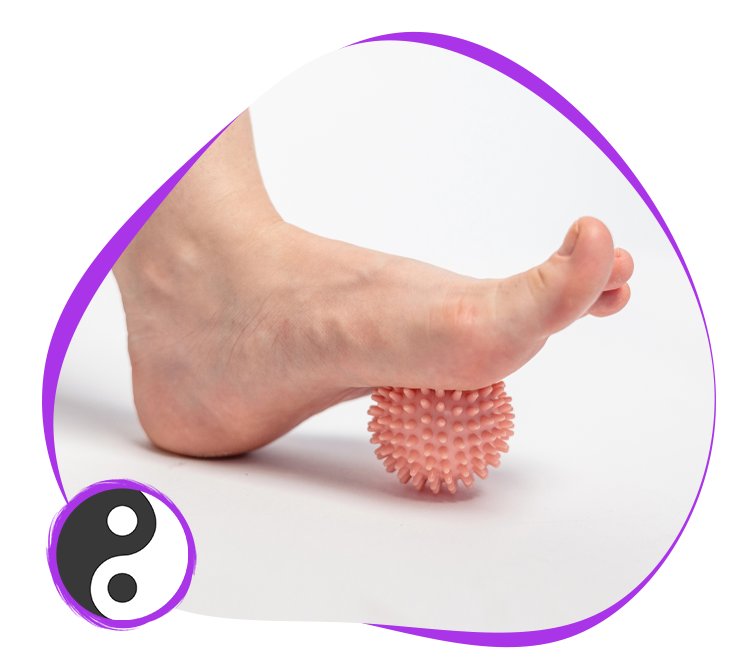
Massage balls provide precision and focus, targeting specific muscle groups and triggering points that may be difficult to reach with larger tools like foam rollers. This tool is perfect for areas such as your feet, neck, shoulders, and upper back.
Benefits:
Focuses on specific points like the feet, neck, or shoulders.
Releases tight muscles and fascial adhesions.
Excellent for reflexology and stimulating circulation in the feet.
Targets areas foam rollers may not reach.
How to Use:
Place the ball on the floor and roll it under your foot or against other tight areas. Apply gentle pressure and move the ball in small circular motions, pausing on tender spots for deeper relief. If using on the back or shoulders, position the ball between your body and a wall for control.
Spiky Balls
Deep Tissue and Energy Stimulation
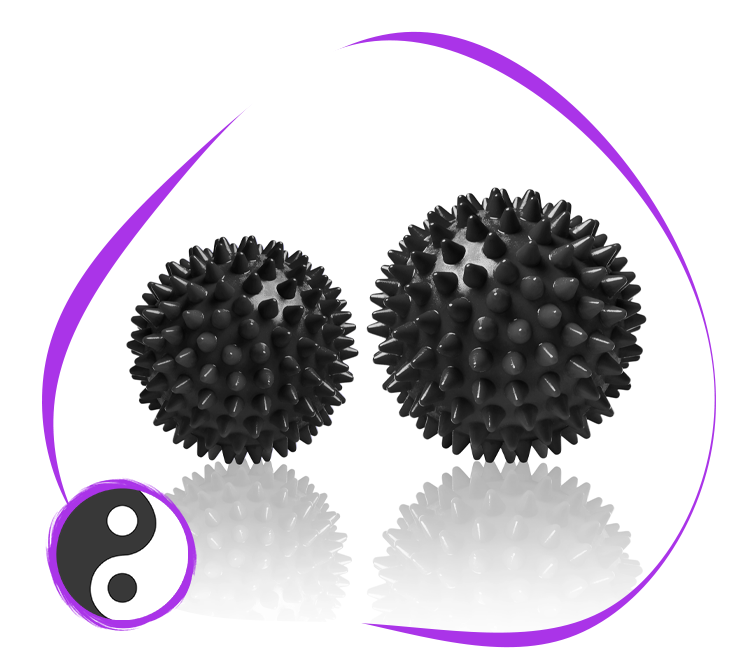
Spiky balls offer a stimulating effect on your skin and fascia, promoting blood flow and encouraging the release of tight muscles. These balls also help activate energy flow throughout the body.
Benefits:
Enhances circulation and releases muscle tension.
Stimulates energy flow, promoting emotional and physical balance.
Targets deep tissue areas and knots, especially in the back, shoulders, and feet.
Provides a combination of relaxation and stimulation.
How to Use:
Slowly roll the spiky ball across your body, applying pressure to tense spots. Focus on your breath and relax into the pressure for effective release. This tool is great for areas where you feel tightness but want more gentle stimulation.
Medicine Balls
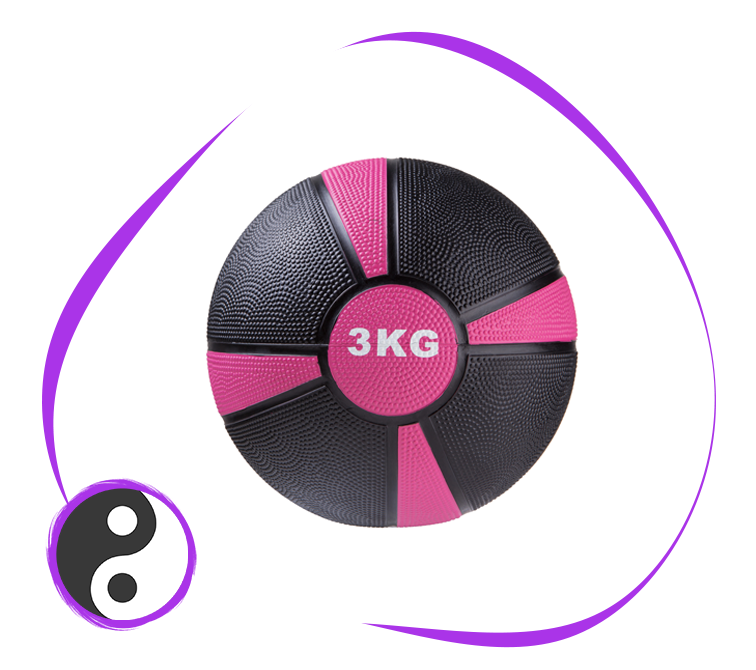
Medicine balls can be used for dynamic self-massage to address muscle stiffness while improving overall strength and stability.
Benefits:
Relieves tension in large muscle groups like the back and thighs.
Increases core strength and stability while relieving tightness.
Supports recovery by promoting movement and stretching.
Provides a good workout for both muscle release and strengthening.
How to Use:
Place the medicine ball under your body (e.g., under your glutes, back, or legs) and gently roll. This tool can also be used for light stretching movements while targeting areas of tension and discomfort.
Other Self-Massage Tools & Techniques
Therapeutic Roller Sticks
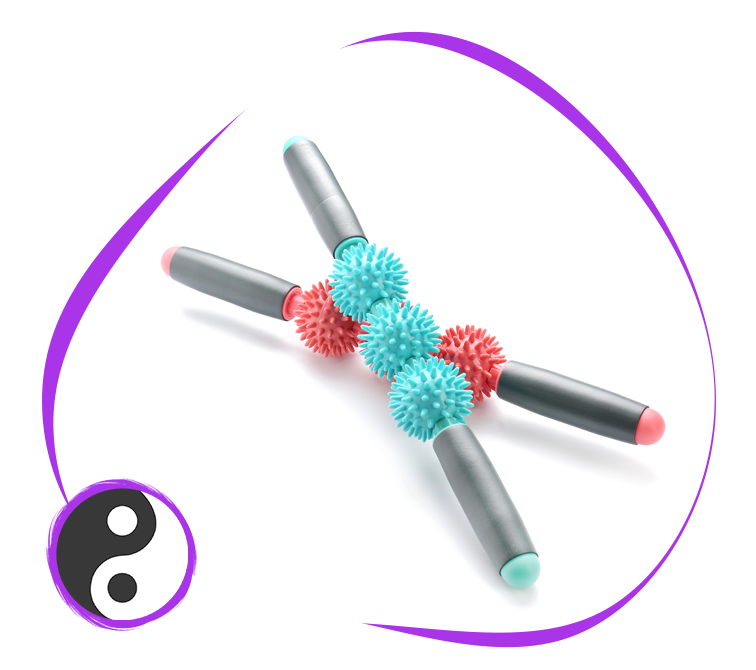
Therapeutic roller sticks offer precise, hands-on muscle relief, enhancing your recovery and flexibility routines.
Benefits:
Releases tension and eases muscle tightness.
Pairs well with resistance bands or foam rollers for comprehensive self-care.
Boosts blood flow and supports quicker healing.
How to Use:
Glide the stick slowly over tight or sore muscles, applying steady pressure to break up knots. Use before or after movement practices to improve tissue elasticity and reduce stiffness.
Body Scrubbers
(Dry Brushing)
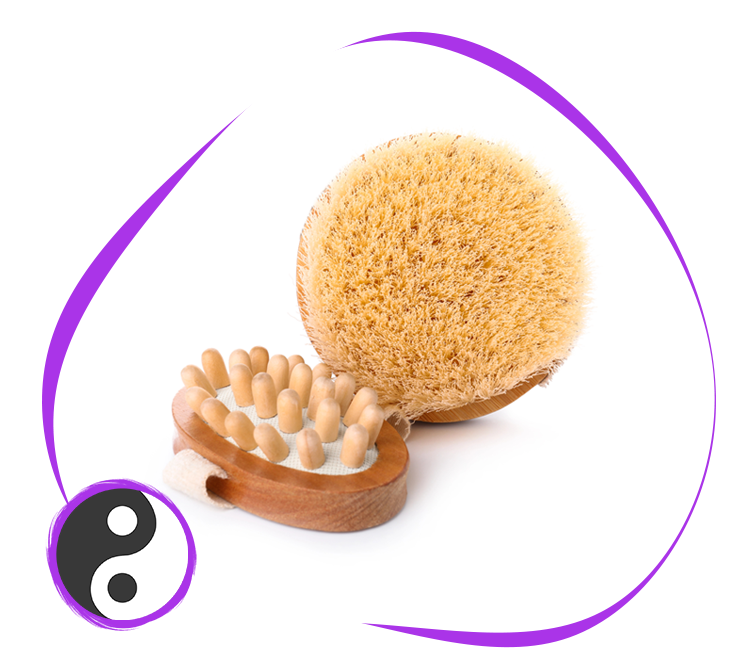
Dry brushing stimulates circulation, exfoliates the skin, and helps promote detoxification.
Benefits:
Exfoliates and rejuvenates skin.
Enhances blood flow and promotes lymphatic drainage.
Encourages healthy skin renewal.
Improves energy flow throughout the body.
How to Use:
Use the body scrubber or dry brush in circular motions across your skin, starting from the feet and working upward. Apply gentle pressure, and always brush toward your heart to support lymphatic drainage.
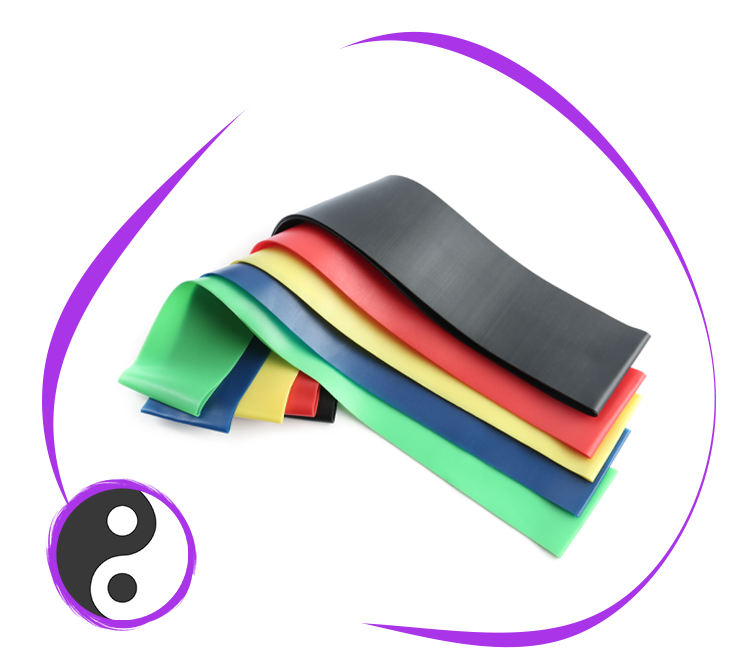
Therapeutic Bands
Therapeutic bands can be used for both stretching and strengthening exercises, complementing your self-massage routine.
Benefits:
Helps improve flexibility and range of motion.
Can be used in conjunction with foam rolling to stretch and release tight muscles.
Provides gentle resistance to strengthen muscle groups.
How to Use:
Stretch the band across different parts of your body, gently applying pressure to improve muscle mobility. Bands can also be used in dynamic stretches that complement self-massage techniques.
Compression Therapy
Unleashing the Power of Pressure for Healing
Compression therapy is a technique that utilizes controlled pressure to promote circulation, reduce swelling, and accelerate the body’s natural healing processes. By applying targeted pressure to specific areas of the body, compression therapy encourages the flow of blood and lymph, improving tissue oxygenation and enhancing overall recovery.
Benefits of Compression Therapy:
Stimulates blood flow and oxygenates tissues.
Reduces inflammation and promotes lymphatic drainage.
Speeds up recovery by improving muscle oxygenation and nutrient delivery.
Helps to break down muscle adhesions and reduce soreness from exercise or injury.
Alleviates pain and discomfort in chronic conditions like arthritis or muscle strains.
How Compression Therapy Works
Compression therapy uses specific pressure to stimulate circulation and promote the breakdown of waste products in the muscles. This pressure encourages the body’s natural healing processes, which can help repair tissues, reduce pain, and improve the body’s range of motion. It is particularly beneficial for athletes recovering from strenuous workouts or anyone dealing with inflammation or circulation issues.
For maximum benefit, it is recommended to apply compression therapy in conjunction with stretching, proper hydration, and other self-care practices.
Consultation for Deeper Exploration of Your Body’s Needs
At Justouch Therapy, we believe in taking a holistic, individualized approach to healing. Our consultation process is designed to explore your body’s specific needs, identify areas of tension, and create a plan for long-term wellness. This session provides a deeper understanding of how your body responds to stress, physical activity, and emotional experiences.
Our consultations include:
A detailed assessment of your current physical condition and lifestyle.
A discussion of past injuries, chronic issues, or areas of concern.
An evaluation of your posture, alignment, and movement patterns.
Recommendations for self-care techniques, tools, and exercises tailored to your needs.
This personalised exploration ensures that the treatment you receive, whether it’s through self-massage techniques or hands-on therapy, addresses the root causes of your discomfort, creating an opportunity for long-term healing and recovery.
Book an Online Consultation
Courses Available to Support Your Self-Care Journey
We offer a variety of holistic health courses designed to empower you to take control of your well-being and deepen your practice. These courses complement the self-massage techniques taught here and help you build lasting skills in managing your health.
Self-Massage and Bodywork Techniques
Our self-massage courses guide you through techniques and tools that you can use at home, empowering you to take charge of your body’s health and accelerate your recovery.
These courses include:
Foam Rolling and Trigger Point Therapy
Using Massage Balls for Deep Tissue Release
Myofascial Release Techniques
Breathing and Relaxation Techniques for Recovery
Chi Kung and Tai Chi Courses
Learn powerful movements, breathing techniques, and energy cultivation practices to support your mental and physical health.
Our Chi Kung and Tai Chi courses include:
Foundational Principles
Breathing Techniques for Healing
Emotional Energy Regulation
Chi Circulation and Alignment
Nei Dan (Internal Alchemy) Courses
Dive into the ancient art of Nei Dan, exploring energy cultivation, body mechanics, and self-healing practices to optimize your physical and emotional health. Each course is designed to deepen your understanding and enhance your practice of self-care.
Clients & Partners


Book a Session or Learn More
Interested in exploring self-massage techniques further or seeking personalised guidance? Book a session today, and we’ll guide you through the best self-care practices to complement your healing journey.
Book Appointment Now
Frequently Asked Questions (FAQ)
General Questions
Self-massage is a technique that allows you to release muscle tension, improve circulation, and enhance recovery using tools such as foam rollers, massage balls, and therapeutic bands. It can help with muscle soreness, flexibility, stress relief, and overall well-being.
For beginners, foam rollers and massage balls are great starting points. Foam rollers help with large muscle groups, while massage balls provide targeted relief. If you prefer a more stimulating approach, spiky balls or dry brushing can be beneficial.
You can use self-massage tools daily or a few times a week, depending on your needs. If you are working on muscle recovery, using them post-workout can be particularly effective. If you’re addressing chronic tension, regular use can help improve long-term mobility and pain relief.
Yes, self-massage can help manage chronic pain by reducing muscle tension, improving circulation, and promoting relaxation. However, if you have a specific medical condition, it’s best to consult with a healthcare professional before starting a self-massage routine.
Foam Rollers
Foam rolling helps release tension in large muscle groups, enhances mobility, improves circulation, and reduces post-workout soreness. It is especially effective for the back, quads, hamstrings, and calves.
Roll the foam roller across your muscles slowly, pausing on tight areas for 20-30 seconds. Breathe deeply and apply gentle pressure to avoid discomfort. Avoid rolling directly over joints or bony areas.
Massage Balls & Spiky Balls
A massage ball provides focused pressure on trigger points and is ideal for areas like the feet, neck, and shoulders. A spiky ball, on the other hand, stimulates circulation and energy flow while also helping to release deep muscle tension.
Place the massage ball on a firm surface and roll it under the affected area (e.g., feet, back, shoulders). Apply gentle pressure and move in small circular motions. For deeper relief, pause on tight spots for a few seconds.
Medicine Balls & Other Tools
A medicine ball can be used for dynamic self-massage, helping to relieve stiffness while also improving core strength and stability. It works well for the glutes, back, and legs.
Dry brushing exfoliates the skin, enhances circulation, promotes lymphatic drainage, and helps with detoxification. Always brush in circular motions toward the heart for the best results.
JusTouch Compression Therapy™
Compression therapy applies controlled pressure to improve circulation, reduce swelling, and accelerate muscle recovery. It is beneficial for post-workout recovery, injury rehabilitation, and managing inflammation.
Yes, compression therapy can reduce inflammation, improve oxygenation of tissues, and aid in the healing process. It is especially useful for muscle strains, arthritis, and general soreness.
Consultations & Courses
A consultation includes an assessment of your physical condition, posture, and movement patterns. It helps identify areas of tension and provides personalized recommendations for self-care techniques, exercises, and massage tools.
We offer courses covering foam rolling, trigger point therapy, myofascial release, and breathing techniques for recovery. These courses provide in-depth guidance on using self-massage tools effectively.
You can sign up for courses or book a consultation through Justouch Therapy. Contact us to find the best program for your needs.