Ptah Khi Martial Arts

The Ptah Khi Combat System integrates the most effective techniques drawn from scientific knowledge and various major martial arts styles to create a fluid, dynamic, and adaptable training method. Whether you have experience in Jujitsu, Judo, Kickboxing, Taekwondo, Capoeira, Boxing, Karate, Muay Thai, or any other discipline, Ptah Khi provides a comprehensive system designed to elevate and refine your skills.

At the heart of Ptah Khi is the emphasis on natural movement, which supports the body’s structure while minimising stress on the joints. Unlike traditional martial arts, which can be rigid and less practical in real-world situations, Ptah Khi focuses on agility, coordination, and smooth transitions between techniques.
This approach not only enhances performance in self-defence scenarios but also promotes long-term physical health, making it an effective system for both personal defence and overall vitality.

Key Principles for Training

  • Circular Motion

    All punches, kicks, and blocking techniques utilise rounded, rhythmic patterns to enhance speed, power, and efficiency while reducing joint strain.

  • Joint-Friendly Practices

    By avoiding hyper-extension and lock-out movements, Ptah Khi minimises the risk of chronic injuries such as swelling and inflammation.

  • Stress Reduction

    Both physical and mental stress are minimised, fostering better learning, memory retention, and overall performance.

  • Biomechanical Precision

    Techniques are designed to maximise power and efficiency while supporting the body’s natural mechanics.

Energy in motion

The Ptah Khi system incorporates various forms of motion, each carefully designed to enhance efficiency, balance, and power while minimising stress on the body. These motions not only build strength and coordination but also optimise brain-body connections, which are crucial for advanced training and practices like Tai Chi.

Understanding Movement Patterns

Biomechanics is at the heart of the Ptah Khi system. By understanding the body as a mechanical system, Ptah Khi creates techniques that are not only powerful but also sustainable. Tai Chi incorporates several movement types that help cultivate balance, energy, and mental clarity:

Linear Motion
  • Movement along a straight line (e.g., stepping forward or backward).

  • Generates momentum and precision, reinforcing control and posture.

  • Strengthens core stability and lays the foundation for smooth transitions in Tai Chi.

Contralateral Movement
  • Opposite sides of the body move simultaneously (e.g., right arm and left leg).

  • Mirrors natural walking patterns, improving coordination and neuromuscular efficiency.

  • Promotes balance between yin and yang, enhancing mental clarity and focus.

Ipsilateral Movement
  • Same side of the body moves together (e.g., right arm and right leg).

  • Refines internal awareness and specialized coordination.

  • Improves reaction time and fine motor skills, critical for advanced techniques.

Sequential Motion
  • Movement flows through the body’s kinetic chain (e.g., force transfer from large to small muscles).

  • Maximises power output and reduces strain.

  • Fundamental for generating and distributing Chi, aligning breath with movement.

  • Promotes strength, reduces injury risk, and fosters a meditative state.

The Importance of Fascia in Martial Art Movement

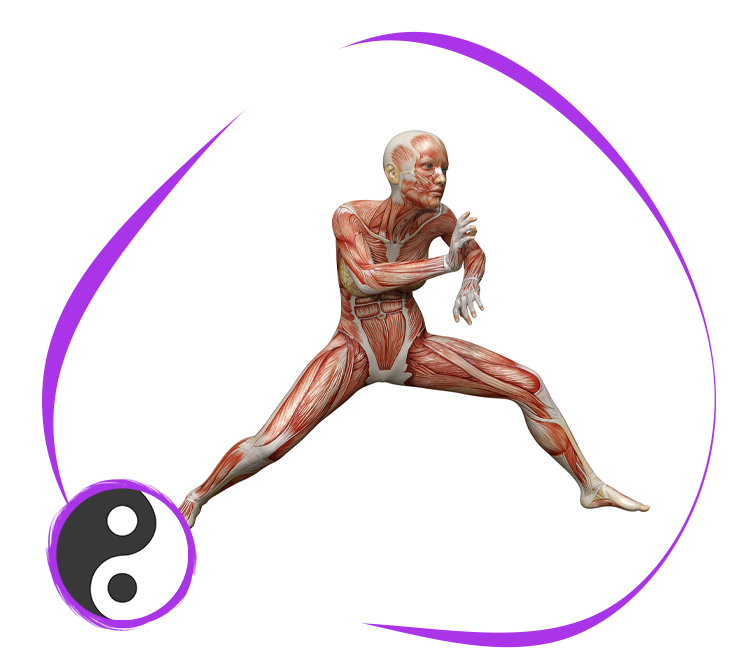
Fascia is the connective tissue that surrounds muscles, bones, and organs, and plays a vital role in how we move. In martial arts like Ptah Khi, fascia enables smooth, coordinated movement and helps transfer energy throughout the body. Understanding fascia’s role enhances flexibility, improves posture, and reduces the risk of injury, supporting overall performance and longevity in practice.

How Fascia Supports Movement:

  • Energy Transmission

    Fascia allows energy (Chi) to flow seamlessly throughout the body, enabling powerful, controlled movements.

  • Improved Flexibility and Mobility

    Fascia stretches and adapts with movement, enhancing range of motion and reducing stiffness.

  • Postural Support

    Fascia aids in maintaining proper alignment, improving balance and stability during stances and transitions.

  • Injury Prevention and Recovery

    A healthy fascial network reduces strain on muscles and joints, promoting resilience and quicker recovery.

  • Holistic Movement Integration

    Fascia connects every muscle and joint, allowing for coordinated, fluid movement across the entire body.

In Ptah Khi, we focus on nurturing the fascia through mindful movement, enhancing the body’s strength, flexibility, and injury resilience, while ensuring smooth, integrated motion during practice.

Musculoskeletal Health

Tai Chi supports the musculoskeletal system by balancing muscle development, protecting joints, and maximising power without overloading the body. Our approach enhances mobility, strength, and coordination, ensuring sustainable physical health.

How Movement Supports Joint and Muscle Health:

  • Joint-Friendly Movements

    We avoid lockout positions to prevent joint stress, promoting long-term mobility and strength while reducing the risk of injury.

  • Muscle Fibre Engagement

    Slow-Twitch Fibres: Activated in low- to medium-intensity movements, building endurance and joint support.

    Fast-Twitch Fibres: Engaged during high-intensity drills, enhancing explosive strength and reaction time.

  • Balanced Development

    Tai Chi drills ensure symmetrical muscle engagement on both sides of the body, promoting proper posture, muscle balance, and efficient movement.

Training with Ptah Khi School

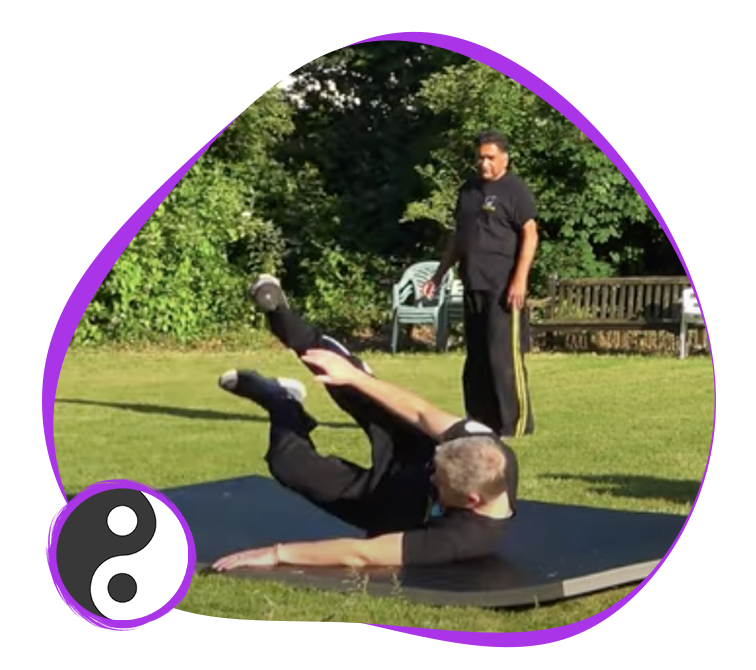
Ptah Khi training system integrates biomechanics and natural movement principles into every practice. Techniques are designed to flow effortlessly, creating a seamless connection between defence, offense, and transitions.

Training Methods Include
  • Drills and Patterns

    Build rhythm, fluidity, and coordination while reinforcing biomechanically sound movements.

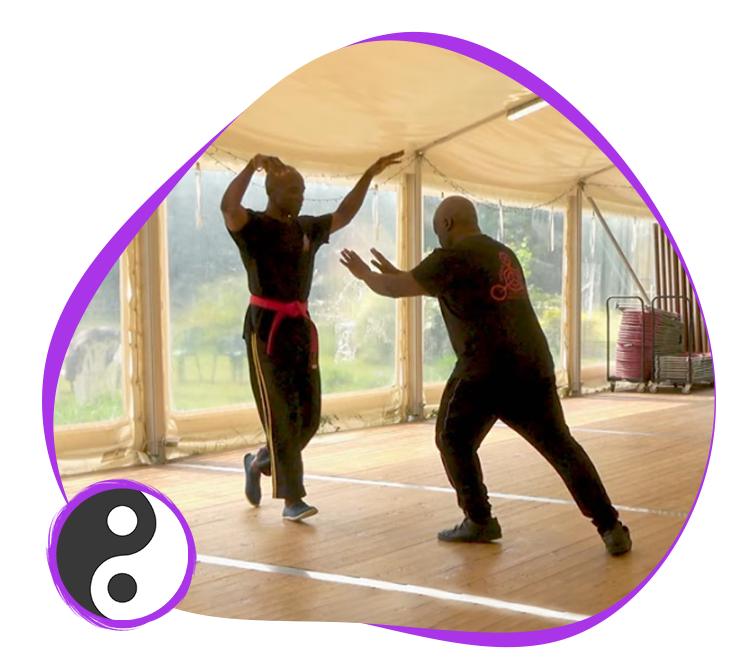
  • Sparring Systems

    Practice real-world applications with adaptable techniques for street-effective self-defence.

  • Biomechanical Refinement

    Continuously analyse and refine movements to maximise efficiency and minimise stress on the body.

Benefits of Ptah Khi Training
  • Faster Combinations

    Rhythmic, circular movements allow for quicker stance transitions, blocks, and attacks.

  • Enhanced Speed and Power

    Proper use of the kinetic chain ensures maximum force with minimal effort.

  • Stress-Free Learning

    By minimising physical and mental strain, Ptah Ki creates an optimal environment for growth and mastery.

Ready to Train?

Ptah Khi instructors ensures you train safely, efficiently, and effectively, preparing you for any challenge, on or off the mat.